
Ultimate Guide to Power Washing Products for Every Surface
Find the ideal power washing solutions tailored to different surfaces to achieve spotless results without damage.
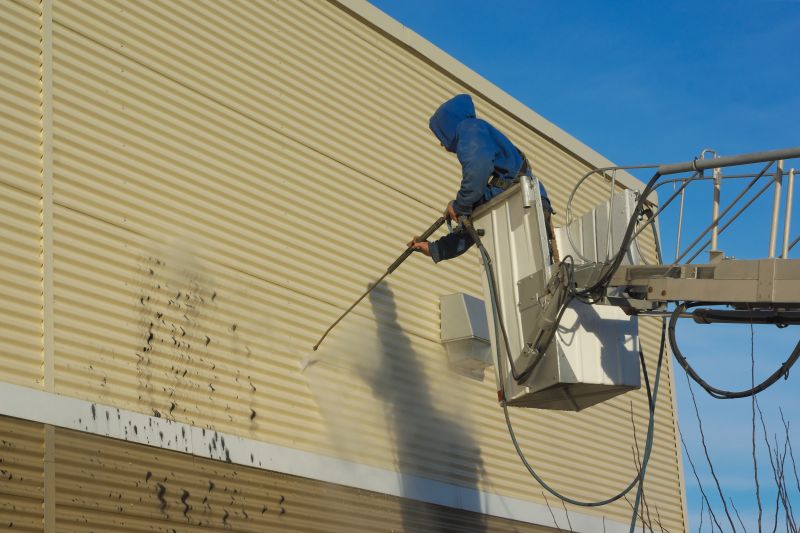 Power washing is a versatile cleaning method that utilizes high-pressure water streams to remove dirt, grime, mold, and other buildup from various surfaces. Whether maintaining the exterior of a home, cleaning driveways, decks, or outdoor furniture, selecting the right products for power washing can significantly enhance cleaning efficiency and results. Power washing equipment ranges from handheld units to large, professional-grade machines, each suited to different tasks and environments. Understanding the variety of products available and their specific features helps users make informed choices tailored to their cleaning needs.
Top Overall Option
High-Performance Pressure Washer System
A versatile and powerful pressure washer system with adjustable pressure settings, multiple spray nozzles, and a durable build. Ideal for a range of residential and light commercial cleaning tasks, it offers reliable performance and ease of use for both beginners and experienced users.
Types of Products For Power Washings
Electric Pressure Washers
Compact and easy to operate, suitable for light to medium cleaning tasks around the home.
Gas-Powered Pressure Washers
More powerful and portable, ideal for larger surfaces and frequent use.
Portable Pressure Washers
Lightweight units designed for easy transport and quick setups for small jobs.
Commercial-Grade Pressure Washers
Heavy-duty machines built for extensive use, often used by professionals.
Surface Cleaners
Attachments that provide even cleaning over large flat surfaces like driveways and patios.
Nozzle Kits
Sets of spray tips with varying angles for different cleaning needs and precision.
Detergent Injectors
Devices that allow for the application of cleaning solutions during power washing.
Extension Wands
Longer wand attachments to reach high or difficult areas safely.
Foam Cannons
Accessories that create thick foam for enhanced cleaning and surface coverage.
Replacement Hoses and Nozzles
Additional hoses and nozzles to customize and extend the lifespan of your equipment.
Pressure Gauges
Tools to monitor and adjust water pressure accurately during cleaning.
Chemical Injectors
Devices for mixing cleaning agents directly into the water stream.
Popular Choices
Widely used for residential tasks due to their ease of use and quiet operation.
Favored for their mobility and higher pressure output for tougher cleaning jobs.
Popular for maintaining large flat surfaces with consistent results.
Commonly purchased to customize spray angles and improve cleaning precision.
Increasingly popular for applying cleaning foam for enhanced dirt removal.
Chosen for their convenience in small-scale or on-the-go cleaning tasks.
Used for faster cleaning of large areas with higher water throughput.
Preferred by professionals for their durability and power.
Popular for reaching high or hard-to-access areas safely.
In demand for their ability to apply cleaning solutions efficiently.
Frequently purchased to ensure uninterrupted cleaning sessions.
Valued for maintaining optimal pressure during operation.
A typical power washing setup often includes a pressure washer, which is the core component responsible for generating the high-pressure water stream. Accessories such as nozzles, spray tips, and extension wands allow for customization of water flow and spray patterns. Detergent tanks or chemical injectors are also common, enabling users to apply cleaning solutions for tougher stains or mildew. Proper maintenance and selecting compatible accessories are essential for ensuring the longevity and optimal performance of power washing equipment.
When choosing products for power washing, factors such as pressure output, flow rate, portability, and ease of use should be considered. For instance, lighter units may be suitable for small-scale residential tasks, while more powerful machines are preferred for large surfaces or commercial applications. Additionally, safety features like pressure regulation and automatic shut-off can enhance user safety during operation. Investing in quality accessories and compatible products can streamline the cleaning process and help achieve more thorough results without damaging surfaces.
Overall, the right selection of power washing tools and accessories depends on the specific cleaning project, surface type, and user experience. Properly matched equipment ensures efficient cleaning, minimizes damage, and extends the lifespan of both the tools and the surfaces being cleaned. Whether for occasional home use or regular maintenance, understanding the options available can help users in Birmingham, AL, and beyond make well-informed decisions for their power washing needs.
Key Buying Considerations
- Determine the appropriate pressure output for your cleaning tasks to avoid surface damage.
- Consider flow rate (GPM) to ensure efficient cleaning without excessive water use.
- Assess portability features if you need to move the unit frequently or use in different locations.
- Look for adjustable pressure settings for versatility across various surfaces.
- Check compatibility with different nozzles and accessories for expanded functionality.
- Evaluate the power source—electric units are quieter and easier to maintain, while gas units offer greater mobility and power.
- Review the length and durability of hoses and extension wands for reach and longevity.
- Identify whether detergent or chemical injection capabilities are needed for tougher stains.
- Consider safety features such as automatic shut-off, pressure regulation, and thermal protection.
- Analyze the noise level if operating in noise-sensitive environments.
- Determine the size and weight of the unit based on storage space and ease of handling.
- Research the availability of replacement parts and accessories for long-term maintenance.
- Review user ratings and reviews to gauge real-world performance and reliability.
- Set a budget that aligns with the intended frequency and scope of use.
- Ensure the product complies with local safety and operational standards.